






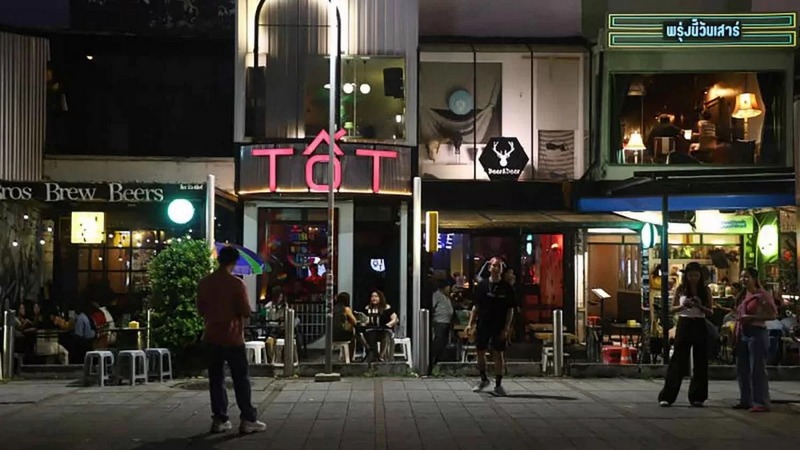
The new law is due to be enforced starting on Nov 8, reports the Bangkok Post.
Under the existing law, the sale of alcoholic beverages is restricted to specific times: from 11am to 2pm and from 5pm to midnight.
The rule does not apply to international airports, registered entertainment venues and registered hotels.
Some customers order and pay for their drinks prior to the sales ban period, continuing to drink at a venue.
However, Section 32 of the new law states consumption of alcoholic beverages is prohibited during the banned period in any venue where alcohol is sold, or any place or area where commercial services for alcoholic beverage consumption is allowed, even if the drinks were purchased prior to the banned period.
The Alcohol Control Committee may issue notifications prescribing conditions or exemptions to this provision.
This means customers will not be allowed to consume alcoholic drinks within venues during the restricted hours, regardless of when they purchase them.
The new law is expected to have a significant impact on the tourism sector, Chanon Koetcharoen, president of the Restaurant Association, said on Tuesday.
Before the new law is implemented, some customers have already complained that they do not understand the purpose of Thailand’s restricted drinking hours, he said.
Under the new law, tourists may be even more confused about rules for drinking alcohol in restaurants and bars, said Mr Chanon.
“When the prohibited hours begin, foreign customers and even some Thai customers do not understand why they’re being asked to finish their drinks outside,” he added.
No organic law has been proposed to provide exemptions for restaurants.
Media reports indicate the government plans to reinstate a study on eliminating zoning rules for entertainment venues and easing the afternoon alcohol sales ban. If approved, the changes would take effect in January 2026.
Mr Chanon said even if these moves to soften restrictions are approved, they will not be enforced until after the year-end festive season.
Regarding the government’s plan to review the alcohol sales restrictions and zoning, Rawat Khongchat, a member of the Night Restaurant Business Trade Association, suggested the government scrap all zoning rules because it would stimulate the economy in both first and second-tier cities.
Some advocates for alcohol control have opposed the government’s initiative to ease restrictions.
Mr Rawat said the government should prioritise strict enforcement of existing laws such as traffic and driving regulations, while ensuring any additional tax revenue generated from the proposed changes is used wisely to promote road safety and reduce traffic accidents.