






Speaking at the Department of Thai Traditional and Alternative Medicine yesterday (Nov 12), Mr Worachot said the Ministry of Public Health could become an economic engine due to its ability to generate value from holistic medical treatment, wellness, and Thai herbal products, which are widely accepted internationally, reports the Bangkok Post.
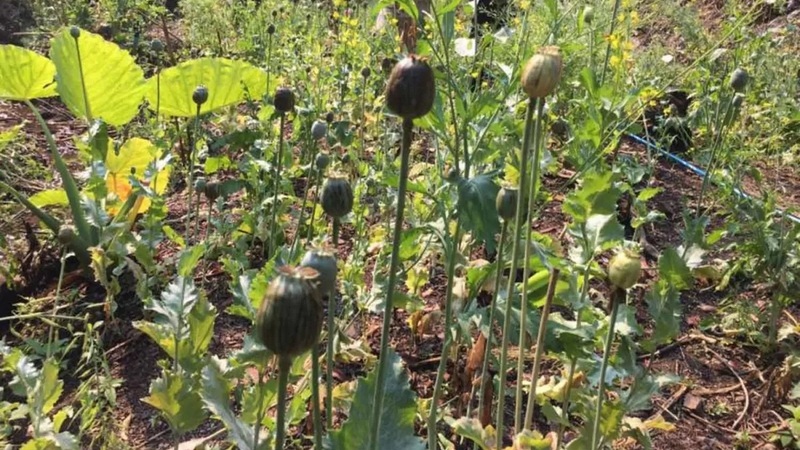
“The ministry has been working closely with various agencies to develop and promote herbal plants to increase the economic value for local communities. Thailand currently imports morphine from overseas, but it would be better if the raw material could be cultivated domestically, benefiting farmers and enabling them to replace low-value crops with higher-value plantations,” he said.
“Any plantation must be conducted carefully and under strict authority inspection. Close cooperation with the Narcotics Suppression Bureau (NSB) is essential to ensure no leakage outside controlled channels.”
Dr Mingkwan Suphannaphong, managing director of the Government Pharmaceutical Organisation (GPO), said that opium and its derivatives are among the most commonly used medications for treating acute and chronic pain, costing the country around B300 million a year.
She said the GPO is working closely with the NSB to research and develop morphine derived from opium, with the goal of reducing imports.
“The GPO has already succeeded in laboratory-scale morphine production, using plant materials provided by the police’s anti-drug agency, most from confiscated cases and some from trial plantations under NSB oversight,” she said.
“We have invested 36 million baht to establish a semi-industrial plant in Rangsit, Pathum Thani, to scale up morphine production for commercial use.”
Dr Mingkwan added, “If possible, future policy may allow commercial-scale opium cultivation, but extreme caution is required to ensure full control. Opium has high medicinal potential, and further research is needed to maximise its benefits.”
Yesterday, the GPO and the Department of Thai Traditional and Alternative Medicine signed a memorandum of understanding to modernise and promote Thai herbal medicine, for example by repackaging traditional formulas as tablets, while also enhancing marketing channels.