






The department said the dams and reservoirs include Mae Ngat Sombun Chon Dam in Chiang Mai – 102.46% (exceeding capacity), Mae Kuang Udom Thara Dam in Chiang Mai – 94.09% (near full capacity), Kiew Kho Ma Dam in Lampang – 115.30% (exceeding capacity), Thap Salao Dam in Uthai Thani – 93.26% (near full capacity) and Pasak Jolasid Dam in Lop Buri – 96.90% (near full capacity).
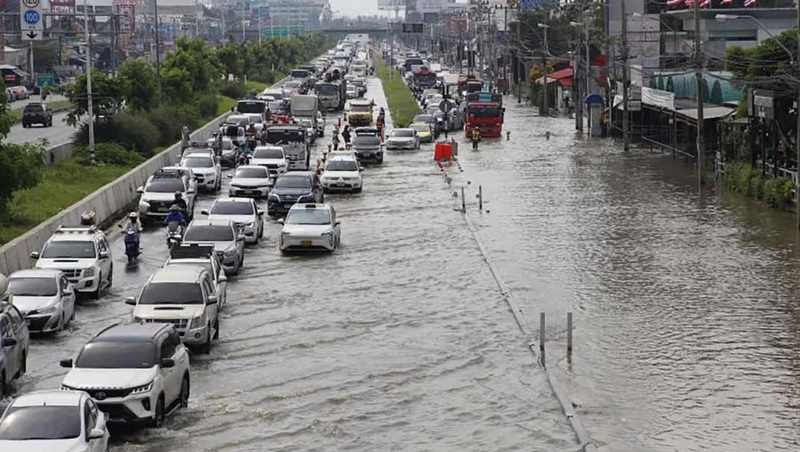
They are among 23 dams and reservoirs nationwide where water storage has reached between 81% and more than 100% capacity, prompting the department to regulate discharges to maintain safety and manage downstream flow, reports the Bangkok Post.
According to the Meteorological Department, rainfall across northern Thailand has decreased, although isolated thunderstorms are still expected. This is due to a low-pressure trough covering the western part of the North and neighbouring Myanmar. Residents in these areas are advised to remain on alert for potential hazards from thunderstorms, while farmers are urged to take precautions against possible damage to their crops.
Meanwhile, Typhoon Fung-wong, which struck the Philippines on Sunday, was expected to move towards the upper South China Sea and the Taiwan Strait over the next two days and not affect Thailand.
In response to rising water levels, the Chao Phraya Dam in Chai Nat province yesterday increased its discharge rate to 2,900 cubic metres per second, resulting in a noticeable rise in downstream water levels. The adjustment was expected to be completed by 2am this morning and be maintained thereafter. Authorities are closely monitoring the situation.